Jump to Recipe Print Recipe
My Ulvacharu Biryani Journey
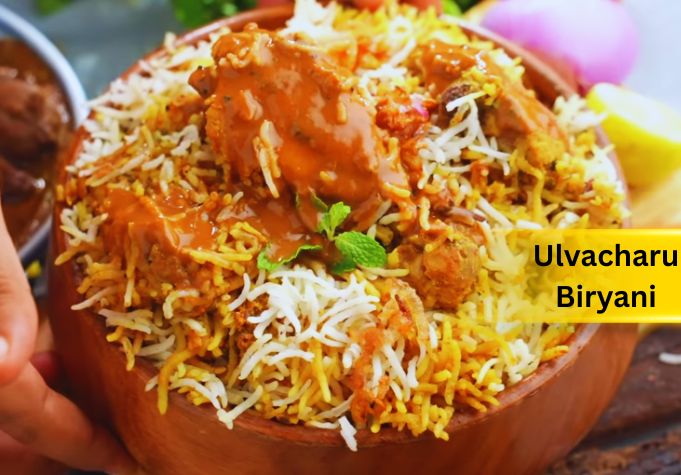
Ulvacharu Biryani is very close to my heart because there is a unique story behind this dish.
I used to constantly watch videos of this biryani on YouTube and would wonder what it actually tasted like. Since I am Pakistani, our traditional, spicy, and smoky basic biryani is the staple that is most commonly made and enjoyed here. Whenever I saw this unique Andhra-style biryani on the internet, my inner food blogger would wake up, and I would crave to taste it myself!
The biggest challenge was that I had absolutely no idea what ulvacharu even was. After doing some research, I discovered it is made from “horse gram” (known as kulthi ki daal). Then, I decided to prepare the sauce from scratch at home. I soaked the lentils overnight, then boiled them over low heat with plenty of water, a little tamarind, salt, and turmeric until they were perfectly soft. Afterward, I strained the lentils and simmered the liquid until it transformed into a thick, earthy, and nutty sauce.
When I added this sauce to my biryani, believe me, the aroma and flavor that emerged left me amazed! It was completely different from traditional biryani and absolutely delicious.

The Ultimate 2026 Guide to Authentic Ulvacharu Biryani: My Proven Authentic Recipe
Ingredients
Equipment
Method
- My Step-by-Step Process
- The Marination
- I always start by combining the chicken with all my marinade ingredients, excluding the ulvacharu. I make sure to massage the masala well into the chicken so every piece is perfectly coated. I then place it in the fridge for at least 1 hour to let those flavors deepen.
- Preparing My Rice
- I bring 2 liters of water to a boil and add all my whole spices, ginger garlic paste, and salt. After boiling for 5–7 minutes to create a fragrant base, I add my basmati rice and cook it on high flame until it is 60% done.
- Layering
- I pour 1/4 cup of ulvacharu over my marinated chicken.
- Next, I layer on my 60% cooked rice.
- I pour another 1/4 cup of ulvacharu over that rice layer, then add a final top layer of rice (cooked to about 70%).