The Magic of Nani’s Clay Pot
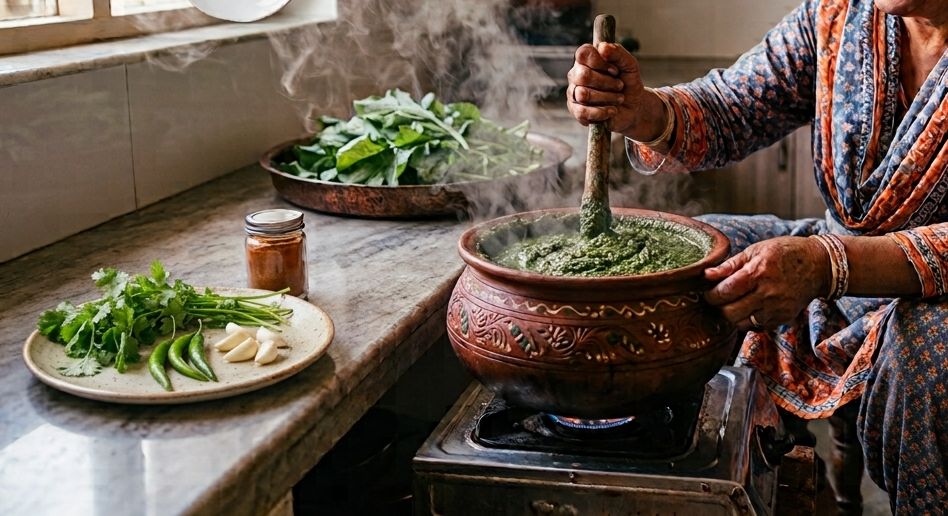
In our kitchen, every other dish gets prepared quickly in steel pots or metal pans, but when it comes to saag, Nani gives a clear order: “Saag will only be cooked in a clay pot!”
According to her, the slow cooking process in a clay pot enhances the true flavor of saag many times over. Fetching that large clay pot and mashing the saag over a low flame for hours felt like a test of patience. However, when I researched cooking in earthenware, I realized Nani was entirely right—clay distributes heat evenly and naturally enhances flavor.
Even today, when the earthy aroma of saag wafting from that pot fills the whole house, all the hard work feels completely worth it seeing the smile on Nani’s face.
I was so moved by the flavor and rich tradition of clay pots that I couldn’t help but research their benefits. I have gathered plenty of insights and am sharing my complete research on the benefits and uses of cooking in clay pots with you all in this blog post!
Core Culinary Benefits
-
Natural Steam & Moisture Retention: The porous nature of clay allows heat and steam to circulate evenly, locking in food’s natural juices and preventing dishes from drying out.
-
Enhanced Digestibility & Alkaline Balance: Clay’s natural alkalinity helps neutralize acidic ingredients (like tomatoes, vinegar, or citrus), resulting in smoother flavors that are gentler on the stomach.
-
Nutrient & Flavor Preservation: Slow, gentle cooking prevents heat-sensitive vitamins and minerals from breaking down, while concentrated steam keeps meats tender and aromatics rich.
-
Healthier Meal Preparation: The natural non-stick quality of seasoned earthenware requires significantly less oil or fat compared to conventional metal pans.
Popular Global Clay Cookware
| Style / Name | Origin | Best Used For |
| Mitti Handi / Matka | South Asia | Slow-cooked curries, biryani, lentils, and rich stews |
| Tagine | North Africa | Tender braises, aromatic meats, and spiced vegetable stews |
| Römertopf / Baker | Europe | Whole roasted meats, artisan bread, and casserole baking |
| Donabe | Japan | Hot pots, steamed seafood, soups, and seasoned rice dishes |
| Cazuela | Latin America / Spain | Slow-baked seafood dishes, stews, and roasted meats |
Essential Essentials for Beginners
-
Seasoning: Before its first use, soak an unglazed clay pot in cold water for several hours, dry thoroughly, and rub generously with cooking oil before heating slowly in an oven.
-
Prevent Thermal Shock: Always place clay pots in a cold oven and let them heat up gradually alongside the oven to prevent cracking. Never put a cold clay pot directly onto a high, open flame without a heat diffuser.
-
Cleaning: Wash with hot water and a gentle brush; avoid dish soaps or detergents on unglazed clay, as the porous material can absorb soap flavors.