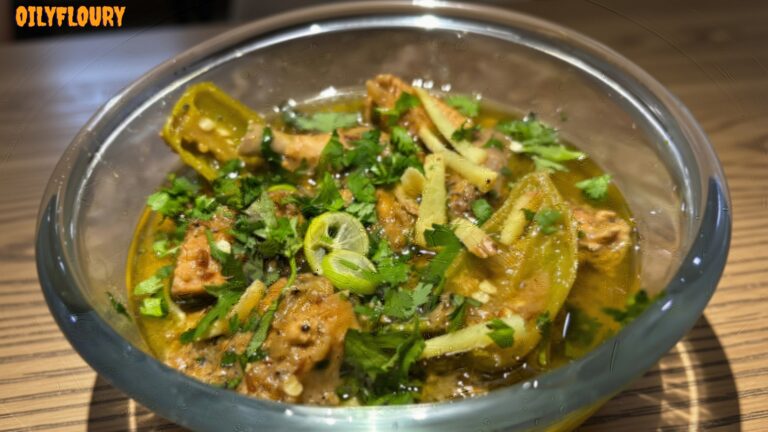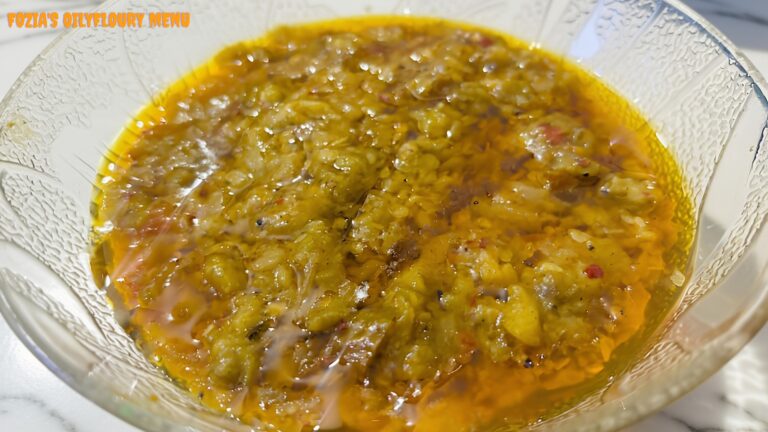
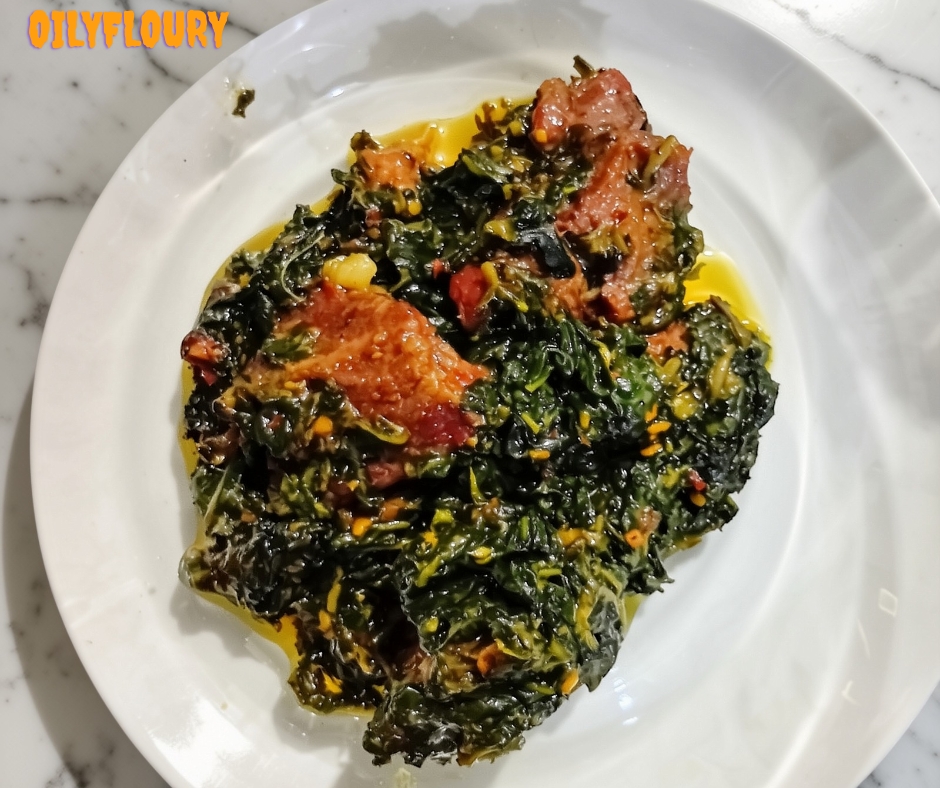
Kulfa is a saag you rarely see in fancy shops, but in summer it grows almost everywhere: along field edges, in courtyards and between vegetable rows. My grandmother used to pick it fresh from the fields, and I still remember sitting with her, pulling the small round leaves off their thick, juicy stems. When the sabzi wala brings a bundle of kulfa today, I buy it at once, because kulfa gosht is one of those old desi dishes that tastes of home.
Kulfa has a soft, slightly lemony taste and a gentle sliminess, a bit like bhindi, that disappears when it is cooked down with meat. I cook the mutton first in a bhuna masala until tender, then add the chopped kulfa and let it melt into the gravy until the oil comes up on the sides. The result is a dark green, glossy saag gosht with soft meat and a fresh, earthy flavour.
If you love saag dishes, try my palak gosht, methi gosht and the winter classic sarson ka saag. And if you want to try kulfa in a completely different way, see my purslane beef burger.
Why You’ll Love Kulfa Gosht
- A forgotten desi saag: kulfa is traditional, seasonal and full of flavour.
- Nutritious: purslane leaves are rich in vitamins and minerals.
- Soft, tender mutton: slow-cooked in a bhuna masala.
- One-pot meal: meat and greens together, ready to scoop up with roti.
Ingredients You Need
Kulfa (purslane): fresh, tender leaves and thin stems, washed several times to remove soil.
Mutton: bone-in mutton pieces give the best flavour. Beef also works but needs longer cooking.
Masala: oil, onions, ginger garlic paste, tomatoes, red chilli powder, turmeric, coriander powder, salt and garam masala.
To finish: green chillies and a little crushed red chilli.
My Tips for the Best Kulfa Gosht
- Wash kulfa well. It grows close to the ground, so soak and rinse it three to four times until the water is clear.
- Use leaves and thin stems only. Thick, hard stems stay chewy, so discard them.
- Cook the meat first. Kulfa cooks quickly. Add it only when the mutton is almost tender.
- Don’t add water with the kulfa. It releases its own water as it wilts.
- Bhuno until the oil separates. This removes the slight sliminess and deepens the flavour.
What to Serve With Kulfa Gosht
Tandoori roti or makki ki roti is perfect with this saag gosht. Add a bowl of lassi or plain yogurt, some sliced onions and achaar for a real village-style meal.
Storing and Reheating
Keep in the fridge for up to 2 days. Reheat on low heat with a splash of water. It also freezes well for up to a month.
Kulfa Gosht (Purslane with Mutton)
Ingredients
Method
- Heat oil in a heavy pot and fry the onions until golden brown.
- Add the mutton and ginger garlic paste and fry on high heat for 5 minutes until the meat changes colour.
- Add tomatoes, red chilli powder, turmeric, coriander powder and salt. Bhuno for 5 to 6 minutes until the tomatoes soften.
- Add 2 cups of water, cover and cook on low heat for 45 to 50 minutes until the mutton is almost tender.
- Add the chopped kulfa and green chillies. Mix well, cover and cook on low heat for 10 minutes until the kulfa wilts and releases its water.
- Uncover and bhuno on medium heat, stirring, until the water dries and the oil separates, about 10 minutes.
- Sprinkle crushed red chilli and garam masala, cook for 1 more minute and serve hot with roti.
Notes
Frequently Asked Questions
What is kulfa in English?
Kulfa (also called kulfay ka saag or lunak) is purslane. It is a small green plant with thick, juicy stems and round leaves.
Does kulfa taste sour?
Fresh kulfa has a mild, slightly lemony taste. Once cooked with meat and masala, it becomes soft and earthy.
Why is my kulfa slimy?
Kulfa has natural mucilage, like bhindi. Cooking it uncovered and bhuno-ing until the oil separates removes most of the sliminess.
Can I use chicken instead of mutton?
Yes. Chicken cooks faster, so add the kulfa after about 15 to 20 minutes of cooking the chicken.
Where can I find kulfa?
It is sold in bundles by sabzi walas in summer in Pakistan. In other countries, look for purslane at farmers’ markets or Middle Eastern shops.