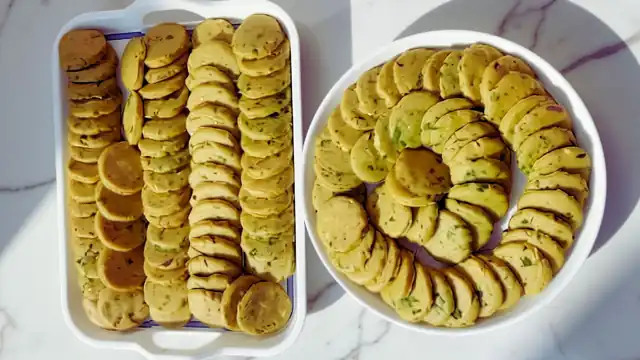
As a food blogger, savoring the rich aroma of fresh spices, herbal scents, and subtle nuances of flavor is fuel for my soul. It was during one of these culinary quests in a traditional spice market that a fascinating variety of seasoned salts caught my eye. One by one, I opened each jar and took in its aroma—some blended Himalayan salt with delicate rose petals, while others carried the sharp, pungent notes of dried garlic and bold herbs. But when I finally unsealed a handmade aromatic salt infused with smoked wood and dried herbs, its enchanting fragrance effortlessly led me to proclaim it as the best smelling salt. Its exquisite aroma left such a lasting impression that I immediately decided to feature a complete introduction on my blog to take my readers along on this sensory journey.
The Truth About Smelling Salts: Culinary Aromas vs. Non-Edible Inhalants
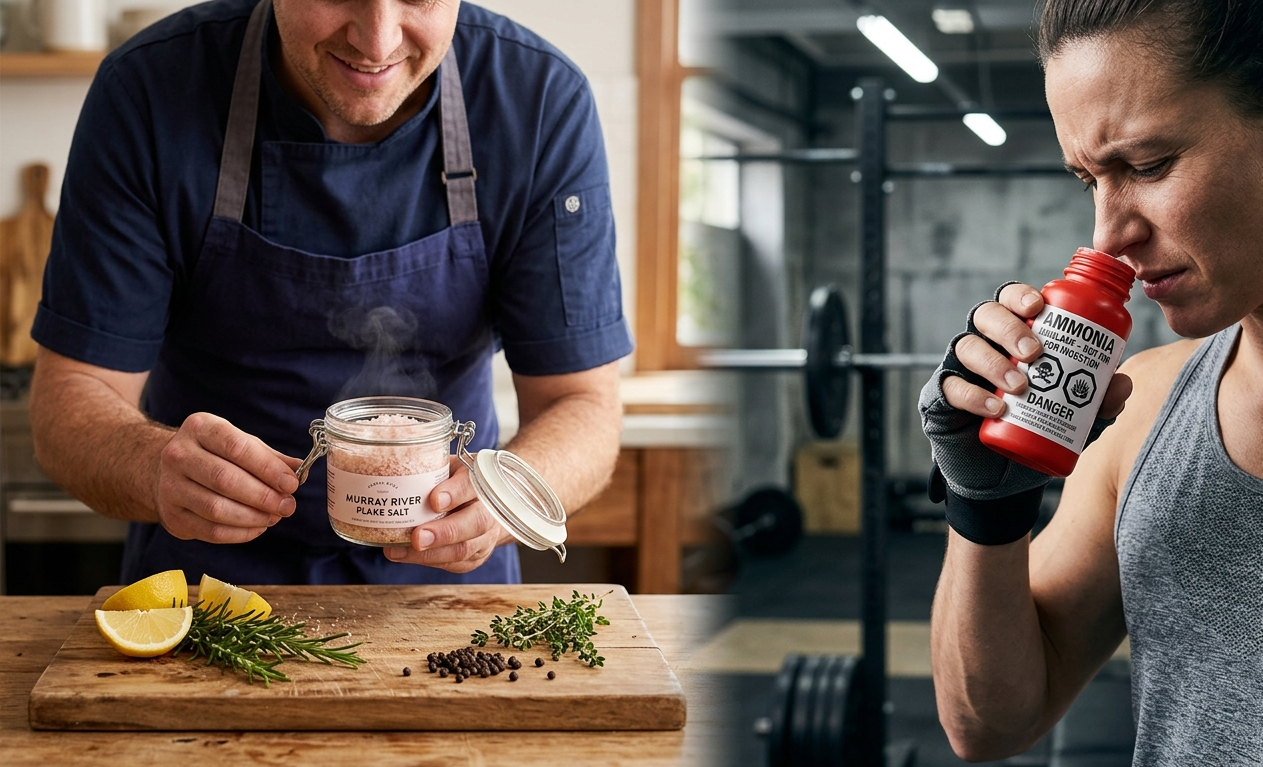
As a passionate food blogger, my world revolves around rich aromas, sizzling pans, and the delicate balance of spices that bring a dish to life. Lately, the phrase “smelling salt” has been buzzing around, but it is crucial to understand that not all salts served with a scent belong on your plate. There is a world of difference between gourmet, aroma-rich salts designed to elevate your cooking and the industrial smelling salts meant strictly for inhaling.
Best Smelling Salts for Cooking (Gourmet Aromatic Salts)
When we talk about the best smelling salts in the culinary universe, we are referring to artisanal, infused salts that transform a meal through both scent and flavor.
Smoked Sea Salt leads the pack with its rich, woody barbecue aroma derived from cold-smoking over hickory or oak wood—perfect for grilled meats and roasted vegetables.
Truffle Salt offers a deeply earthy, luxurious scent that turns simple pasta, fries, or scrambled eggs into a high-end restaurant experience.
Garlic & Herb Salt releases a freshly crushed, savory fragrance.
Citrus Zest Salt fills the kitchen with a refreshing burst of lemon or orange essential oils, ideal for seafood. These edible aromatic salts rely on natural ingredients, dried herbs, and essential oils to create a sensory feast before you even take your first bite.
Smelling Salts NOT Good for Cooking (Non-Edible Inhalants)
On the other hand, traditional “smelling salts” have absolutely no place in the kitchen and should never be consumed. These are chemical compounds, typically ammonium carbonate-based, specifically formulated for medical emergencies, weightlifters, or athletes. When unsealed, they release concentrated ammonia gas designed to trigger an involuntary breathing reflex, revive someone from fainting, or provide a sudden spike of adrenaline and focus before a heavy lift. While aromatherapy-based smelling salt variations exist to relieve stress or clear sinuses, none of these inhalant salts are food products. Consuming or cooking with ammonium-based salts can cause severe chemical burns to your mouth and digestive tract and is toxic.
Understanding this distinction ensures you enjoy the captivating scents of gourmet finishing salts safely while keeping the chemical inhalants strictly where they belong: in the gym or the first-aid kit.